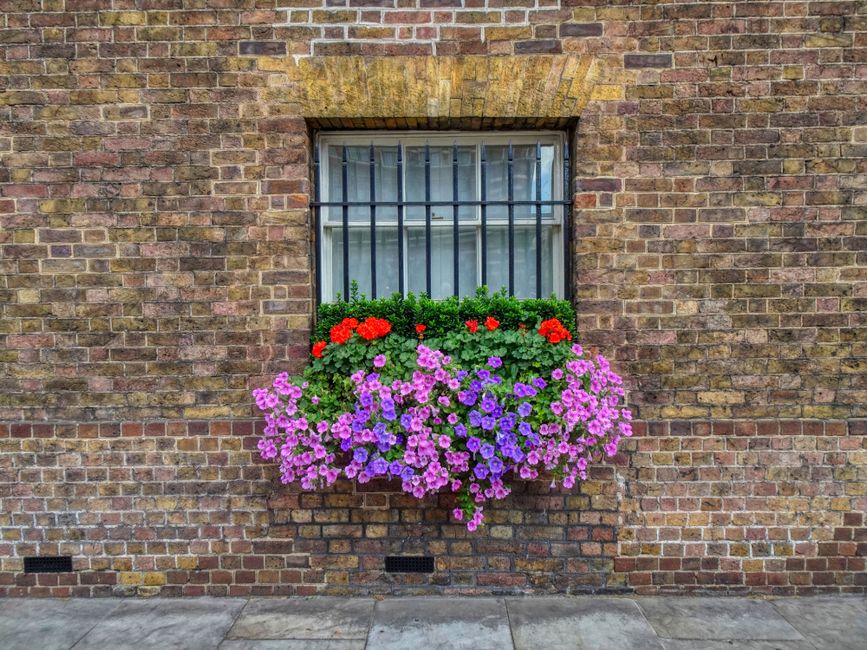
Islington Council rules for Clerkenwell flower displays
Posted on 10/10/2026
Islington Council rules for Clerkenwell flower displays: a practical guide for residents, shops and venues
If you are planning flower displays in Clerkenwell, the rules can feel a bit murky at first. Are you dressing a shopfront, setting out pavement planters, decorating for a wedding, or arranging something temporary outside a venue? The answer matters, because Islington Council rules for Clerkenwell flower displays can affect where you place arrangements, how much space you leave for pedestrians, and whether you need permission before anything goes out on the street.
In plain English: the more your flowers interact with public space, footfall, and street clutter, the more likely you are to need to think about local permissions, safety, access, and maintenance. That sounds dry, I know. But it is exactly what keeps a lovely display from becoming a problem by Tuesday morning.
This guide breaks down the practical side of it all. You will learn what these rules are really about, how they work in day-to-day Clerkenwell settings, what usually trips people up, and how to plan a display that looks beautiful without causing headaches.
Table of Contents
- Why Islington Council rules for Clerkenwell flower displays Matters
- How Islington Council rules for Clerkenwell flower displays Works
- Key Benefits and Practical Advantages
- Who This Is For and When It Makes Sense
- Step-by-Step Guidance
- Expert Tips for Better Results
- Common Mistakes to Avoid
- Tools, Resources and Recommendations
- Law, Compliance, Standards, or Best Practice
- Options, Methods, or Comparison Table
- Case Study or Real-World Example
- Practical Checklist
- Conclusion
- Frequently Asked Questions
Why Islington Council rules for Clerkenwell flower displays Matters
Clerkenwell is a busy part of London. Pavements can be narrow, sightlines matter, deliveries come and go, and many streets already have plenty going on visually. That is part of the charm. It is also why flower displays need to be thought through carefully.
The rules matter for three main reasons. First, they help keep routes clear for pedestrians, wheelchair users, pushchairs, and people with sight impairments. Second, they reduce the risk of damage, nuisance, or spillages near the highway. Third, they help businesses and residents avoid the awkward situation of creating a display that looks great, only to be asked to move it or remove it later. Not ideal, really.
There is also a reputation angle. A tidy, well-placed floral display can make a shop, cafe, or event feel welcoming and cared for. A display that blocks the pavement or tips over in the wind can do the opposite within minutes. On a busy lunchtime street, people notice these things.
Practical takeaway: if a flower display sits anywhere near the public highway in Clerkenwell, treat accessibility, stability, and local permission as part of the design, not an afterthought.
For local businesses, there is often a wider brand benefit too. A well-run exterior display says you pay attention. That message matters, especially in a neighbourhood where people walk past quickly and judge even quicker.
How Islington Council rules for Clerkenwell flower displays Works
In simple terms, the rules are about whether your flowers are purely private or whether they affect public space. A vase inside a window is usually just a decoration. A row of planters on a pavement edge is another story altogether.
Most people run into issues in one of four situations:
- flower displays placed outside a business frontage
- temporary floral arrangements for weddings, events, or promotions
- large planters, baskets, or decorative stands near the pavement
- decorative items that may obstruct sightlines, access, or cleaning
What the council will usually care about is not the flowers themselves. It is the impact. Does the display reduce usable pavement width? Could it create a trip hazard? Might it block a shop entrance, a fire exit, or a passing wheelchair? Will rain, wind, or foot traffic make it unsafe by the afternoon?
That is the heart of it. A display can be beautiful and still unsuitable for the location. Clerkenwell is not the place for "it will probably be fine" planning. Truth be told, that approach tends to go sideways.
For some displays, the safest route is to keep everything inside the premises or within clearly private space. For others, you may need to seek permission, agree conditions, or adjust the layout so it respects public access. If you are unsure, the best practice is to check before ordering heavy containers or commissioning elaborate arrangements.
One practical point often missed: the display itself is only part of the picture. Maintenance matters too. Flowers droop, petals fall, water spills, buckets leak, and a display that looked neat at 9 a.m. can look a bit tragic by 3 p.m. if nobody is looking after it.
Key Benefits and Practical Advantages
Following the right process is not just about compliance. It can actually make the display better.
- Cleaner presentation: a properly planned display looks intentional, not squeezed in at the last minute.
- Better customer experience: people can pass safely without awkward sidesteps or bottlenecks.
- Less risk of enforcement issues: you avoid unnecessary arguments, removal requests, or disruption.
- Longer-lasting displays: if the location is right, flowers tend to hold up better and stay looking fresh.
- Stronger brand image: especially for cafes, studios, salons, boutiques, and hospitality venues.
There is a small but real operational gain as well. When staff know exactly where planters sit, who waters them, and what to do in wet weather, things run more smoothly. No scrambling with a bucket at opening time. No one pretending they "thought someone else did it." We have all seen that movie.
For events, careful compliance also reduces stress. A wedding entrance, for example, should feel elegant and calm. If the florals have been placed with access and approvals in mind, guests arrive to a polished scene instead of a cluttered one. That quiet sense of order is doing a lot of work behind the scenes.
Who This Is For and When It Makes Sense
This topic is relevant to more people than you might think. It is not just for florists. It affects anyone who wants to put flowers somewhere visible in Clerkenwell where the public might walk, pause, or pass by.
- Independent shops wanting a more inviting frontage
- Restaurants and cafes using flowers to soften outdoor areas
- Wedding and event planners decorating entrances or external spaces
- Office managers arranging reception-facing or street-facing displays
- Florists delivering and setting up installations on behalf of clients
- Residents who want balcony, stoop, or frontage displays that may edge toward shared areas
It makes sense to think about the rules whenever the arrangement is outside, semi-outside, or likely to be seen from the street and physically interact with it. If it is just a vase on a reception desk, the issue is mostly aesthetic. If it is on a pavement, even briefly, you need a more careful plan.
A good rule of thumb: the more public the placement, the more important the checks. Simple as that.
And yes, there are times when the answer is still "go ahead" with no drama. A contained, well-placed display on private property may need no special action at all. The trick is knowing which side of that line you are on before the flowers arrive.
Step-by-Step Guidance
Here is the practical way to handle it without overcomplicating things.
- Identify the exact location. Is the display fully inside, in private outdoor space, on the edge of the pavement, or attached to the building exterior?
- Measure the available space. Leave enough room for pedestrians and avoid narrowing routes at pinch points.
- Check visibility and safety. Make sure the display does not hide doorways, create blind corners, or affect drivers and cyclists.
- Consider the conditions. Wind, rain, sun, and foot traffic all affect how the arrangement performs.
- Decide whether permission or agreement is needed. If the flowers touch public space or street furniture, pause and verify the process before installation.
- Choose a stable design. Use suitable containers, weights, and water management so the display stays secure.
- Plan maintenance. Assign a person to check water levels, fallen petals, damaged stems, and any spillages.
- Document the setup. Keep photos and notes of the agreed layout in case staff changes or questions come later.
That last one sounds fussy, but it saves time. A quick photograph on a phone can settle a dispute later, especially if multiple people are involved in the setup.
For larger setups, it is worth thinking about the display in layers: what people see first, what they need to walk through, and what happens when a passer-by brushes against it. Little details, big difference.
A sensible planning order
Start with access, then safety, then appearance. Not the other way around. A display can be refined visually in minutes. A blocked pavement or unstable stand is harder to forgive.
If you are working with a florist, give them the exact dimensions and a photo of the location if possible. A good florist will spot likely issues quickly. In our experience, that one extra message before installation avoids a lot of back-and-forth on the day.
Expert Tips for Better Results
The best displays feel effortless, but they are usually carefully considered. A few small habits make a real difference.
- Use weight where needed: tall arrangements and outdoor containers need stable bases.
- Keep colour palettes restrained: a simpler scheme often looks more premium in a street setting.
- Match the scale to the frontage: oversized arrangements can overwhelm narrow Clerkenwell pavements.
- Think about the weather: delicate blooms may not love a windy corner. Neither do the staff, to be fair.
- Check sightlines from both directions: people approach from different angles, not just straight on.
- Leave service access clear: bins, shutters, deliveries, and emergency routes all need room.
A very human tip: if the display is for a special occasion, walk past it as a member of the public would. Slow down, glance at it, then ask yourself whether it feels inviting or intrusive. That simple check often reveals what drawings and mood boards miss.
Another useful habit is to keep a "bad weather version" of the setup. If the forecast turns grim at 7 a.m. and the arrangement is outside, you will be glad you can make quick changes without starting again from scratch. London weather, honestly, likes a bit of drama.
Common Mistakes to Avoid
Most problems are not caused by the flowers themselves. They come from poor placement, rushed setup, or forgetting that public space is shared space.
- Blocking the footway: even a lovely display becomes an issue if it narrows passage too much.
- Ignoring stability: lightweight pots and tall stems can topple in wind or get knocked by bags and buggies.
- Forgetting water management: leaks create slip risks and can stain paving.
- Setting up too late: last-minute installations often leave no time to solve permission or access problems.
- Assuming a neighbour has already checked: sometimes nobody has. That is where awkwardness starts.
- Using brittle decorative items outdoors: some containers look perfect indoors and become troublesome once exposed to weather.
One of the most common mistakes is treating a floral display like a one-off decoration rather than a small operational project. It has logistics, timing, safety, and maintenance. Not glamorous, perhaps. But very real.
Another easy miss is cleaning and waste. Fallen petals, ribbon ties, broken stems, and shed leaves can quickly make a frontage look untidy. A display that was elegant in the morning can look a little sad by evening if no one is tidying around it.
Tools, Resources and Recommendations
You do not need a fancy kit, but a few practical tools help a great deal.
- Measuring tape: for checking width, depth, and clear walking space.
- Phone camera: useful for recording the agreed layout before and after setup.
- Waterproof trays or liners: reduce spills and protect surfaces.
- Weighted bases or secure stands: especially for external displays.
- Gloves and pruning snips: handy for quick maintenance and stem trimming.
- Microfibre cloths or towels: for spill cleanup and surface wiping.
- Simple checklists: because memory gets fuzzy when deliveries arrive and people are rushing.
For related ordering and display planning, some readers also find it useful to explore our pages on flower delivery in Clerkenwell EC1, local florist services, and flower care guidance. Those pages can help if you are comparing delivery timing, display freshness, or aftercare needs.
If your project is tied to a special occasion, a broader browse of wedding flowers in Clerkenwell or corporate accounts may also be useful, depending on who is commissioning the display. Different settings, different pressures. That is just how it goes.
Law, Compliance, Standards, or Best Practice
For flower displays in or around Clerkenwell, the main compliance themes are public access, safety, and avoiding nuisance. The exact requirements can depend on whether the flowers are inside private property, on the frontage, or extending into a shared or public area. Because arrangements can vary so much, it is sensible to treat council requirements as location-specific rather than universal.
In practice, the following principles usually matter most:
- Keep access routes clear. People must be able to pass safely and comfortably.
- Do not create hazards. Trip risks, spillages, unstable stands, and obstructed exits are all avoidable problems.
- Respect neighbours and nearby users. A display should not create unreasonable inconvenience.
- Maintain the display. Neglected flowers, loose debris, and leaking water can become issues even when the original setup was fine.
- Check before using public space. If your plan touches the pavement or highway, get clarity before installing.
If you are unsure whether a display is likely to need permission or a specific agreement, ask early. It is much easier to tweak the layout before delivery than after a full installation has been built. And yes, those last-minute reshuffles are never anyone's favourite moment.
Best practice also means keeping records. A simple note of the dimensions, placement, and responsible contact person can be enough to show that the display was planned thoughtfully. This is especially helpful for businesses with changing staff or recurring seasonal displays.
Options, Methods, or Comparison Table
There is more than one way to handle a floral display in Clerkenwell. The right choice depends on the space, the purpose, and how public the location is.
| Option | Best for | Pros | Watch-outs |
|---|---|---|---|
| Indoor window display | Shops, cafes, receptions | Usually simplest, low disruption, easy to maintain | May be less visible from the street if window glazing reflects light |
| Private frontage display | Businesses with forecourts or setback entrances | Can look elegant and welcoming | Still needs careful spacing and stability |
| Pavement-edge arrangement | Hospitality venues, promotions, events | Highly visible, strong street presence | Most likely to need permission and careful access checks |
| Temporary event installation | Weddings, launches, seasonal activations | Flexible, tailored, visually striking | Needs planning, timing, and prompt removal |
| Planters with floral inserts | Longer-running displays | Reusable, stable, good for branding | Require regular upkeep and seasonal refreshes |
For many readers, the safest starting point is the private frontage or window display. It gives you visual impact without immediately stepping into the trickier area of public access. If you want a stronger street presence, then it is worth planning the layout with a lot more care.
Case Study or Real-World Example
Imagine a small cafe in Clerkenwell preparing for a spring launch. The owner wants a row of pastel flowers outside the front door, plus a larger display near the window. Lovely idea. Very Clerkenwell, actually.
On paper, the arrangement looks straightforward. But once they measure the frontage, they realise the pavement pinch point is tighter than expected, especially when two people stand chatting at the entrance. A tall planter near the door would also block the line of sight for customers coming out with drinks. So the plan changes.
The final setup uses lower, weighted planters inside the frontage line, with a smaller, brighter display in the window and a coordinated arrangement just inside the threshold. It still looks inviting from the street. More importantly, it feels calm and safe to walk past. Staff can sweep petals, check water, and move nothing at opening or closing except a small tray.
The result? No drama, fewer risks, and a frontage that still photographs well for social media and walk-by attention. That is the sweet spot. Not overdone, not underwhelming. Just thoughtful.
This is a good example of how good compliance and good design usually point in the same direction. The setup that works best for access often also looks the most polished. Funny how that works.
Practical Checklist
Use this before any floral display goes live in Clerkenwell:
- Have I identified whether the display is private, semi-private, or public-facing?
- Have I measured the space accurately?
- Will people still pass comfortably without squeezing around it?
- Could the display hide a doorway, exit, or sightline?
- Is the base stable enough for wind, bumps, and daily use?
- Are water and debris controlled?
- Do I need permission, an agreement, or a location-specific check?
- Has someone been assigned to maintain it?
- Do I know what to do if the weather changes?
- Have I taken photos of the agreed setup?
If you can tick most of those boxes, you are in decent shape. If a few answers are still fuzzy, pause and sort them out now. It is far easier than dealing with a complaint later in the week.
Conclusion
Getting Islington Council rules for Clerkenwell flower displays right is really about balancing beauty with common sense. Keep access clear, think about stability, stay alert to maintenance, and check the rules before anything touches public space. Do that, and your display is much more likely to feel elegant, calm, and genuinely welcome in the street.
The best floral displays do more than look nice. They fit the place. They respect the people moving through it. And in a busy corner of London, that matters a great deal.
Get a free quote today and see how much you can save.
If you are still deciding on the right display style, take your time and plan it properly. A careful setup nearly always looks better in the long run, and it saves everyone a bit of stress. Which, let's face it, is worth quite a lot.
Frequently Asked Questions
Do I need permission for flower displays outside my Clerkenwell shop?
Possibly, yes, if the display extends into public space or affects the pavement. The exact answer depends on the location, the size of the arrangement, and whether pedestrian access is impacted. If it stays fully within private property, the situation is usually simpler.
Can I place planters on the pavement in Clerkenwell?
Not automatically. Pavement planters can create access and safety issues, so they often need extra care and, in some cases, specific permission or agreement. Measure carefully and check before installation.
What counts as a flower display under council rules?
It can include planters, baskets, window-led displays, entrance arrangements, and temporary decorative installations. The key question is not just what it is, but where it sits and how it affects the public realm.
Are temporary wedding flower displays treated differently?
They can be, especially if they are installed briefly and fully managed. But temporary does not mean risk-free. Access, timing, and removal still matter, particularly if any part of the display touches the pavement or shared areas.
What is the safest type of display for a busy Clerkenwell street?
An indoor window display or a private frontage arrangement is usually the least complicated. These options give visual impact without creating as many access or obstruction concerns.
How wide should a pathway stay around a flower display?
There is no one-size-fits-all answer here because the layout and location vary so much. The practical point is that pedestrians should not be forced into awkward squeezes, and mobility users should have a clear, safe route.
Can a florist install the display for me?
Yes, many do, and it can be a smart move. A florist with local experience can spot practical issues quickly, especially around weight, water, and positioning. Just make sure they have the exact dimensions and any site details beforehand.
What happens if my display causes a problem?
You may be asked to move or remove it, and in some cases you could face wider issues if the display creates an obstruction or hazard. That is why checking the setup in advance is far easier than responding after the fact.
How often should outdoor flowers be checked?
At least daily, and more often if the weather is poor or foot traffic is heavy. Water levels, fallen petals, and stability should all be reviewed. A display that is fine in the morning can shift by lunch.
Do seasonal displays need different planning?
Yes, they often do. Christmas, Valentine's Day, spring promotions, and event-led decorations may involve heavier footfall, busier streets, and stronger visual expectations. Seasonal pieces also need more maintenance than people expect.
Should I keep records of my display plan?
Absolutely. A quick note, photo, and measurement sheet can be very useful if staff change, someone asks a question later, or you need to repeat the display next year. It is a small habit that pays off.
What is the biggest mistake people make with Clerkenwell flower displays?
Assuming the display is only a design choice. In reality, it is also a safety and access decision. The flower arrangement may be the pretty part, but the setup and placement are what keep it working properly.